

Creating a self-care routine can be simpler than you think. Start by establishing a morning routine that might include meditation or a healthy breakfast to set a positive tone for your day. Staying hydrated is important, so drink plenty of water throughout. Aim for at least 30 minutes of exercise daily, whether it's walking or yoga, as this boosts mood and energy levels. Don't forget mindfulness practices; they help manage stress effectively. Nourish your body with balanced meals and remember to set boundaries to protect your time. Taking breaks during work enhances productivity too. Lastly, prioritize good sleep and connect with loved ones regularly!
1. Establish a Morning Routine
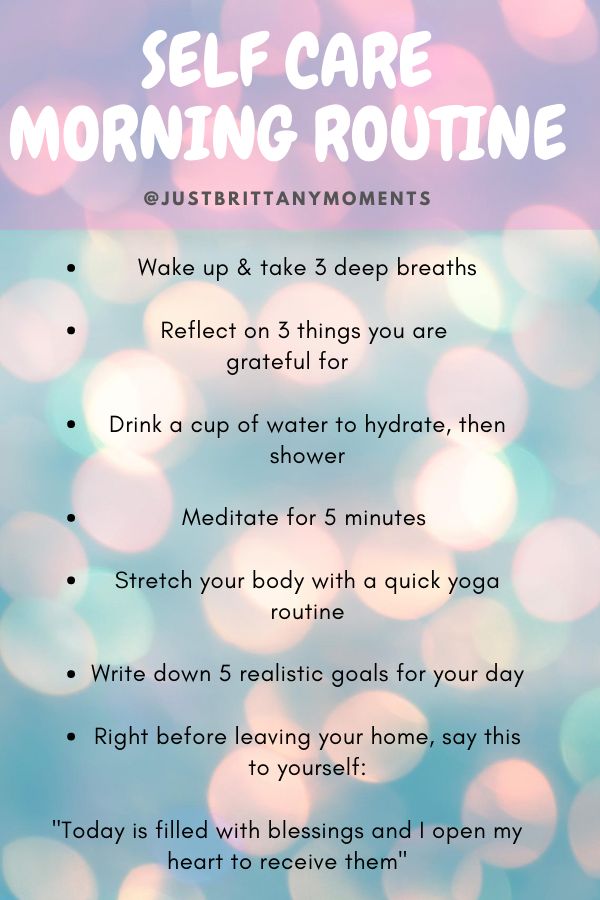 Credits: pinterest.com
Starting your day with a consistent morning routine can greatly influence how the rest of your day unfolds. Consider incorporating practices like meditation, where you take a few moments to clear your mind and set intentions. Stretching is another excellent way to wake up your body and improve flexibility. A healthy breakfast is also crucial; it not only fuels your body but can boost your mood and energy levels. For example, you might enjoy oatmeal topped with fresh fruits and nuts or a smoothie packed with greens and protein. Establishing this routine helps create a sense of stability and positivity, making it easier to tackle whatever challenges come your way.
2. Stay Hydrated
Staying hydrated is essential for your overall health and well-being. Water plays a critical role in numerous bodily functions, including regulating temperature, keeping joints lubricated, and delivering nutrients to cells. When you're well-hydrated, you may notice an increase in your energy levels and improved concentration. A common recommendation is to drink at least eight 8-ounce glasses of water a day, often referred to as the '8x8 rule.' This can be adjusted based on your activity level, climate, and individual health needs.
To make it easier, consider carrying a reusable water bottle with you throughout the day. This not only reminds you to drink more but also reduces plastic waste. Adding slices of fruit, such as lemon or cucumber, can enhance the flavor and encourage you to sip more often. Remember, hydration doesn't just come from drinking water; foods like fruits and vegetables also contribute to your daily intake. Keeping hydrated can significantly impact your mood and physical performance, making it a simple yet powerful step in your self-care routine.
3. Engage in Physical Activity
 Credits: amazon.com
Engaging in physical activity is a vital part of a self-care routine. Aim for at least 30 minutes of exercise each day. This could be as simple as a brisk walk around your neighborhood, a relaxing yoga session in your living room, or a more intense workout at the gym. Regular exercise releases endorphins, which are chemicals in your brain that help improve your mood and reduce feelings of anxiety and depression. For example, if you find it hard to stick to a routine, try joining a local dance class or hiking group. This not only makes exercising more enjoyable but also provides opportunities to connect with others who share similar interests. Remember, the key is to find activities that you enjoy, so it feels less like a chore and more like a fun part of your day.
4. Practice Mindfulness or Meditation
Mindfulness and meditation are powerful tools for enhancing your self-care routine. Setting aside just a few minutes each day to practice mindfulness can significantly reduce stress and anxiety. You can start with simple techniques like focusing on your breath, observing your thoughts without judgment, or even engaging in guided meditation apps. For instance, try the "5-4-3-2-1" grounding technique where you identify 5 things you can see, 4 you can touch, 3 you can hear, 2 you can smell, and 1 you can taste. This practice helps anchor you in the present moment and can lead to greater emotional clarity. Regular meditation can also improve your focus and overall mental health, making it easier to tackle daily challenges.
5. Nourish Your Body
Nourishing your body is a fundamental aspect of self-care. It’s important to focus on balanced meals that include a variety of food groups. Aim to fill your plate with colorful fruits and vegetables, such as spinach, berries, and carrots, which are packed with vitamins and minerals. Whole grains like brown rice and quinoa provide essential fiber, while lean proteins from sources like chicken, fish, beans, or tofu can help build and repair tissues.
Consider planning your meals ahead of time to avoid last-minute unhealthy choices. For example, you could prep a week’s worth of salads or healthy snacks on the weekend. Additionally, being mindful of portion sizes and eating slowly can enhance your eating experience and help you recognize when you’re full.
Incorporating healthy fats, such as avocados, nuts, and olive oil, can also support brain health and mood. Remember that what you eat directly affects how you feel, so prioritizing nutritious foods can lead to improved energy levels and overall well-being.
- Eat a balanced diet with plenty of fruits and vegetables
- Incorporate whole grains into your meals
- Limit processed foods and sugar intake
- Drink herbal teas and incorporate superfoods
- Pay attention to portion sizes
- Plan meals ahead to avoid unhealthy choices
- Experiment with new recipes and ingredients
6. Set Boundaries
Setting boundaries is essential for maintaining your mental and emotional health. It involves recognizing your limits and communicating them clearly to others. For example, if you find that work is encroaching on your personal time, it's important to say no to extra assignments or to set specific work hours. This way, you protect your time for self-care activities that rejuvenate you. Additionally, it's vital to establish emotional boundaries. If certain conversations drain your energy or make you uncomfortable, kindly let others know that you need to steer clear of those topics. By asserting your needs, you create a healthier space for yourself and ensure you have the energy to engage in activities that are fulfilling and restorative.
7. Take Breaks
Taking breaks is essential for maintaining focus and preventing burnout. When you're working or studying for long periods, your brain can become fatigued, leading to decreased productivity and increased stress. Short breaks allow your mind to rest and recharge. For example, try the Pomodoro Technique: work for 25 minutes, then take a 5-minute break. Use this time to stretch, take a quick walk, or simply breathe deeply. Incorporating these short pauses can enhance your concentration and creativity, making your work sessions more effective.
8. Engage in Hobbies
Engaging in hobbies is a vital part of a self-care routine. Hobbies allow you to express creativity, relieve stress, and bring joy into your life. Whether it’s painting, gardening, playing a musical instrument, or reading, spending time on activities you love can significantly boost your mood and overall well-being. For example, if you enjoy painting, setting aside an hour each week to create can serve as a therapeutic escape from daily stresses. Similarly, if you love gardening, nurturing plants can provide a sense of accomplishment and connection to nature. Dedicating time to your hobbies can help you recharge and maintain a balanced life.
9. Connect with Others
Building and maintaining relationships with friends and family is crucial for your well-being. Social interactions can significantly boost your mood and provide emotional support during tough times. Whether it’s a quick phone call, a video chat, or meeting up for coffee, these connections help you feel less isolated and more understood. For example, sharing your thoughts with a close friend can provide fresh perspectives and lighten your emotional load. Additionally, engaging in group activities, like joining a club or taking a class, can introduce you to new people and expand your support network. Remember, it's not just about quantity; quality relationships matter too. Nurture the connections that bring you joy and fulfillment.
10. Prioritize Sleep
 Credits: lumie.com
Getting enough sleep is crucial for your overall health. Aim for 7-9 hours of quality sleep each night to allow your body and mind to rest and rejuvenate. Quality sleep helps improve your mood, enhances cognitive function, and boosts your immune system. To improve your sleep hygiene, create a calming bedtime routine. This might include activities like reading a book, dimming the lights, or practicing gentle stretches. Also, try to maintain a consistent sleep schedule by going to bed and waking up at the same time every day. Avoid screens an hour before bed, as the blue light emitted by devices can interfere with your ability to fall asleep. Creating a comfortable sleep environment, such as keeping your bedroom cool and dark, can also make a significant difference. Remember, prioritizing sleep is not just about quantity but quality, and it plays a vital role in your self-care routine.
Frequently Asked Questions
1. What is a self-care routine and why is it important?
A self-care routine is a set of activities you do regularly to take care of your mental, emotional, and physical health. It’s important because it helps you recharge, reduces stress, and improves your overall well-being.
2. How do I start building my own self-care routine?
You can start by identifying activities that you enjoy and that relax you, like reading, taking walks, or meditating. Then, set aside specific times in your week to do these activities.
3. How often should I do self-care activities?
It’s best to incorporate self-care activities into your daily routine, even if it’s just for a short time. Aim for a couple of times a week, but don’t hesitate to do more if you need it.
4. Can self-care activities be simple or should they be elaborate?
Self-care activities can be as simple or elaborate as you want. What matters is that they make you feel good and help you relax, so choose what works best for you.
5. What if I don’t have time for self-care?
Even a few minutes each day can make a difference. Try to prioritize self-care just like you would an important meeting or task. You might be surprised how much better you feel with just a little time focused on yourself.
TL;DR Discover 10 simple steps to create a self-care routine: Establish a consistent morning routine, stay hydrated, engage in physical activity, practice mindfulness, nourish your body with healthy foods, set boundaries, take breaks, engage in hobbies, connect with others, and prioritize quality sleep for better overall well-being.


