

Living mindfully can greatly reduce stress and improve your overall well-being. Start by practicing mindful breathing; just a few minutes each day focusing on your breath can center your thoughts and lower anxiety. Daily meditation is another key habit—whether it's sitting quietly or using an app, it boosts self-awareness and relaxation. Try to limit multitasking to enhance productivity and immerse yourself fully in the present moment. Keeping a gratitude journal shifts focus from stress to positivity, while disconnecting from technology lets you reconnect with yourself. Engaging in nature also lowers stress, as does cultivating a mindful morning routine that sets a positive tone for the day ahead. Lastly, practice self-compassion and learn to set boundaries for better mental health.
1. Practice Mindful Breathing for Calmness
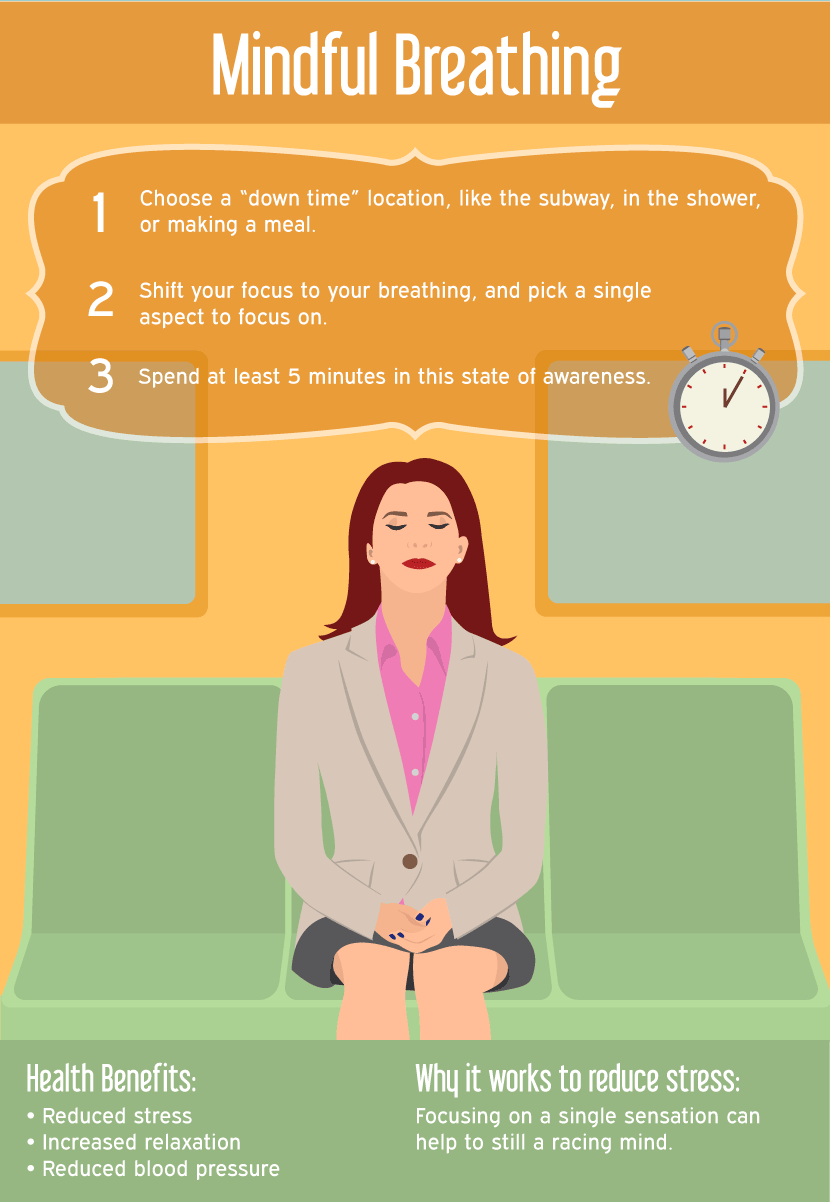 Credits: myamericannurse.com
Mindful breathing is a simple yet powerful technique to help calm your mind. To practice, find a quiet space and dedicate a few minutes to focus only on your breath. Inhale deeply through your nose, allowing your belly to expand, then hold it for a moment before exhaling slowly through your mouth. This intentional breathing slows down your heart rate and reduces anxiety, helping you feel centered. You can incorporate this into your daily routine, perhaps as soon as you wake up or before going to bed. Over time, this habit can become a quick tool for regaining calmness in stressful moments.
2. Engage in Daily Meditation for Relaxation
 Credits: parade.com
Engaging in daily meditation can profoundly impact your mental well-being. Start by finding a quiet space where you can sit comfortably without distractions. You can begin with just five minutes a day. Focus your attention on your breath, noticing the rise and fall of your chest. If your mind wanders, gently bring it back to your breath. This practice not only calms your mind but also enhances self-awareness, helping you understand your thoughts and emotions better. There are many guided meditations available through apps like Headspace or Calm if you're unsure where to start. Over time, you may find that this simple act of sitting quietly allows you to approach life's challenges with a clearer, more relaxed mindset.
3. Limit Multitasking to Improve Focus
 Credits: skillpacks.com
Multitasking might seem like a way to get more done in less time, but research shows it can actually reduce productivity and increase stress. When we try to juggle multiple tasks at once, our brain struggles to shift gears, which can lead to mistakes and a feeling of being overwhelmed. Instead, focus on one task at a time. For instance, if you’re working on a report, dedicate a specific block of time to that task without distractions from emails or phone notifications. This single-tasking approach allows you to immerse yourself fully in what you're doing, enhancing both the quality of your work and your overall satisfaction. To further support this habit, consider setting aside a few minutes each day for mindful breathing. By taking a moment to pause and focus on your breath, you can clear your mind and prepare it for the task at hand, making it easier to stay focused and calm.
4. Keep a Gratitude Journal for Positivity
Keeping a gratitude journal is a powerful habit that can shift your perspective from what’s lacking in your life to what you truly appreciate. Each day, take a few moments to write down three to five things you are grateful for. These can be as simple as enjoying a warm cup of coffee, receiving a compliment, or spending time with a loved one. This practice encourages you to focus on the positive aspects of your life, making it easier to combat stress and anxiety.
Research shows that regularly expressing gratitude can lead to improved mental health, increased happiness, and even better physical health. For instance, people who keep gratitude journals often report feeling more optimistic and less stressed. You might find that on tough days, reflecting on your journal can provide a much-needed boost.
Additionally, you can enhance the impact of your gratitude journaling by being specific. Instead of writing "I’m grateful for my family," you might say, "I’m grateful for my sister's supportive message today." This level of detail can deepen your appreciation and make your entries more meaningful.
- Write down three things you are grateful for each day
- Include specific details about each item
- Reflect on why these things bring you joy
- Make it a daily or weekly habit
- Review past entries to see growth in positivity
- Use prompts to inspire gratitude if you're stuck
- Share your gratitude with others to enhance connections
5. Disconnect from Technology to Reconnect
In our hyper-connected world, constant notifications and the pressure to stay updated can lead to increased stress and anxiety. Taking regular breaks from technology is essential for mental well-being. Start by designating specific times throughout the day to unplug from screens—this could be during meals, an hour before bed, or even a few hours on the weekend. Use this time to engage in activities that nourish your mind and body, such as reading a book, practicing mindfulness, or spending quality time with loved ones.
For example, consider going for a walk in the park without your phone. Notice the sights, sounds, and smells around you. This simple act of disconnecting can ground you in the present moment and help you reconnect with your environment and self. By limiting your exposure to social media and digital distractions, you create space for reflection and a deeper appreciation for life’s small moments.
6. Incorporate Mindful Eating for Better Health
Mindful eating is about being present during meals and truly savoring what you consume. Instead of rushing through your meals or eating while distracted, take the time to appreciate the flavors and textures of your food. For example, try turning off the TV and putting away your phone while you eat. Focus on each bite, noticing how it feels in your mouth and how it tastes. This practice not only enhances your enjoyment of food but can also lead to healthier eating habits. When you eat mindfully, you may find that you become more aware of your hunger and fullness cues, which can help prevent overeating. Consider starting with smaller portions and gradually increasing them as you learn to listen to your body. Over time, mindful eating can transform your relationship with food, making meals more satisfying and nourishing.
| Habit | Description | Benefits |
|---|---|---|
| Mindful Eating | Pay attention to what you eat by savoring each bite and being aware of flavors and textures. | Enhances dining experience and encourages healthier eating habits. |
7. Spend Time in Nature for Stress Relief
Spending time in nature can have a profound impact on your mental well-being. Activities like walking in a park, hiking in the woods, or simply sitting by a lake can help lower stress levels and lift your mood. Research shows that being outdoors can reduce anxiety and improve feelings of happiness. You might consider taking a walk during your lunch break or planning weekend hikes to immerse yourself in natural surroundings. Even small doses of nature, like tending to a garden or taking a stroll through your neighborhood, can provide significant benefits. Try to engage all your senses while you’re outside—notice the colors of the leaves, listen to the sounds of birds, and feel the breeze on your skin. This mindfulness in nature not only enhances your experience but also helps ground you in the present moment.
8. Cultivate a Mindful Morning Routine
Starting your day with a mindful morning routine can set a positive tone for everything that follows. Begin by waking up a little earlier than usual to give yourself time to breathe and reflect. Consider practicing mindful breathing for a few minutes; this helps clear your mind and reduce anxiety. You might then engage in a short session of meditation, where you can either sit in silence or use a meditation app that guides you through the process.
Incorporating gentle yoga or stretching can also be beneficial, helping to wake up your body while promoting relaxation. After your physical practice, enjoy a peaceful breakfast. Focus on your food, savoring each bite, which can make eating a more enjoyable and nourishing experience. Try to limit distractions during this time, such as your phone or TV, so you can truly connect with your meal.
This mindful approach to your morning not only enhances your awareness but also helps you face the day with intention and calmness.
9. Practice Self-Compassion to Reduce Stress
Self-compassion is a vital practice that can significantly reduce stress. It involves treating yourself with kindness and understanding, especially during tough times. Instead of criticizing yourself for mistakes or shortcomings, acknowledge that everyone faces challenges. For example, if you miss a deadline at work, instead of berating yourself, remind yourself that it's okay to make mistakes and that you can learn from them.
One effective way to cultivate self-compassion is to engage in mindful breathing. Take a few moments to focus on your breath, inhaling deeply and exhaling slowly. This can help calm your mind and create a space for self-kindness. You might also find it helpful to speak to yourself as you would to a close friend, offering encouragement rather than judgment.
Additionally, practicing gratitude can enhance self-compassion. By keeping a gratitude journal, you can reflect on positive aspects of your life, helping to shift your perspective and appreciate your efforts. Remember, self-compassion is not about self-indulgence; it's about recognizing your worth and treating yourself with the same care you would offer to someone you love.
10. Set Boundaries for Personal Well-Being
Setting boundaries is essential for maintaining your mental health and overall well-being. It involves clearly defining what you are comfortable with and what you are not. For example, if work demands are overwhelming, learn to say no to extra projects that may add to your stress. This allows you to prioritize your mental space and focus on what truly matters to you.
Additionally, communicate your limits to others. If social obligations are draining, it’s okay to decline invitations or request time for yourself. By establishing these boundaries, you create a healthier balance in your life, reducing feelings of overwhelm and fostering a sense of control. Remember, it’s not selfish to prioritize your needs; it’s necessary for a healthier, more fulfilling life.
Frequently Asked Questions
1. What is mindful living and why is it important for stress relief?
Mindful living means being aware of your thoughts and feelings in the moment. It's important for stress relief because it helps you focus on the present instead of worrying about the past or future.
2. How can I start practicing mindfulness in my daily life?
You can start practicing mindfulness by setting aside a few minutes each day to sit quietly, breathe deeply, and notice your thoughts and surroundings without judgment.
3. What are some simple mindful habits I can incorporate into my routine?
Some simple mindful habits include taking short breaks to breathe, enjoying your meals without distractions, and going for mindful walks where you focus on your surroundings.
4. Can mindfulness really reduce my stress levels?
Yes, many studies show that mindfulness can reduce stress by helping you manage your emotions and reactions, making you feel more in control and relaxed.
5. What are the benefits of living a mindful life besides reducing stress?
Besides reducing stress, living mindfully can improve your focus, increase your happiness, enhance your relationships, and help you make better decisions.
TL;DR Adopt these 10 mindful living habits for a stress-free life: 1) Practice mindful breathing; 2) Engage in daily meditation; 3) Limit multitasking; 4) Keep a gratitude journal; 5) Disconnect from technology; 6) Incorporate mindful eating; 7) Spend time in nature; 8) Cultivate a mindful morning routine; 9) Practice self-compassion; 10) Set boundaries for personal well-being.


